Over 40 sacred Tabots converge at Jan Meda for Ethiopia's most spectacular Orthodox festival, January 18-20, 2026. Watch thousands in white robes receive dawn blessings as priests spray holy water across crowds at sunrise—a UNESCO-recognized ceremony unchanged since 530 AD. Your complete guide to navigating processions, road closures, and capturing the water ceremony.
The most spectacular Ethiopian Orthodox festival unfolds January 18-20, 2026, when over 40 Tabots (sacred replicas of the Ark of the Covenant) converge at Jan Meda in one of Africa's most visually stunning religious celebrations. Timket in Addis 2026 offers travelers an extraordinary window into Ethiopia's 1,500-year-old Christian traditions, where priests in brocade robes carry sacred arks through streets transformed into rivers of white-clad worshippers. This guide covers everything you need to experience the Jan Meda Epiphany schedule respectfully and capture unforgettable moments.
Understanding Timket's sacred significance
Timket—meaning "immersion in water" in Ge'ez—commemorates Jesus Christ's baptism in the Jordan River and has been celebrated nationally since 530 AD. Emperor Zer'a Ya'ekob in 1426 decreed that all Tabots be taken to water sites overnight for blessings, establishing the tradition that continues today. UNESCO inscribed Timket as Intangible Cultural Heritage in 2019, recognizing it as among the world's most vibrant Ethiopian Orthodox festivals.
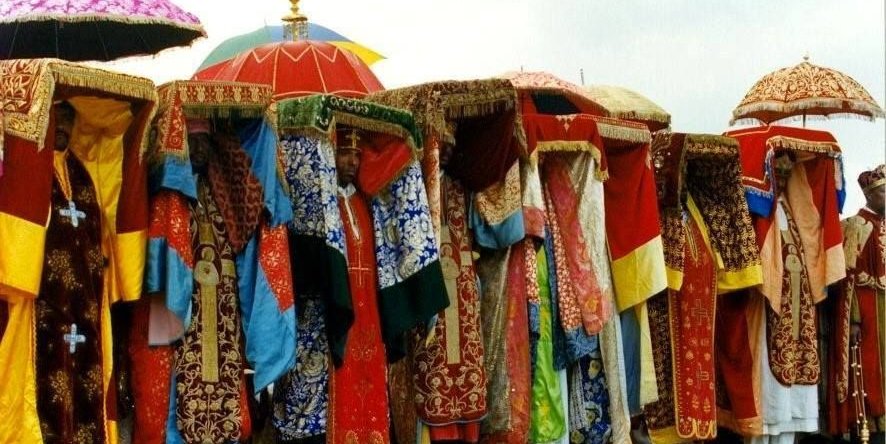
The Tabot—a 15-centimeter square tablet inscribed with the Ten Commandments—represents God's presence and remains central to the ceremony. Only ordained priests may touch or view it unwrapped, making Timket's processions the rare occasions when these sacred objects leave churches' innermost sanctuaries.
Jan Meda Epiphany schedule: hour-by-hour timeline
The celebration begins when afternoon processions depart major churches around 2:00 PM. St. Mary's Church at Arat Kilo offers an excellent starting point—visitors can position themselves by 1:00 PM, then walk alongside the procession as it winds toward Jan Meda. Priests carry silk-wrapped Tabots on their heads beneath ornate embroidered umbrellas, accompanied by deacons drumming kabero and shaking sistra (metal rattles). By evening, Tabots are installed in overnight tents where all-night prayers, hymns, and Eucharistic Liturgy continue until dawn.
January 19: main Timket celebration
January 19: main Timket celebration
2:00 AM – Divine Liturgy begins near water
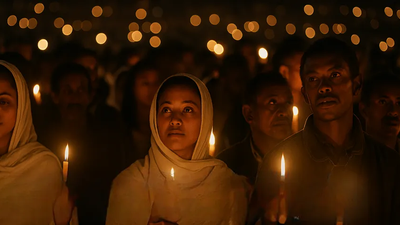
Before dawn – Faithful gather holding candles in white robes
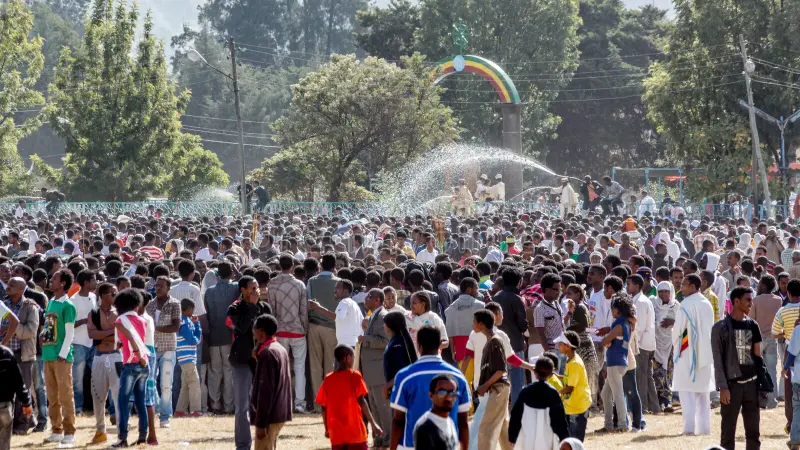
6:00-7:00 AM – Dawn water blessing—the climactic moment
7:00 AM – Mass concludes; believers immerse to renew baptismal vows
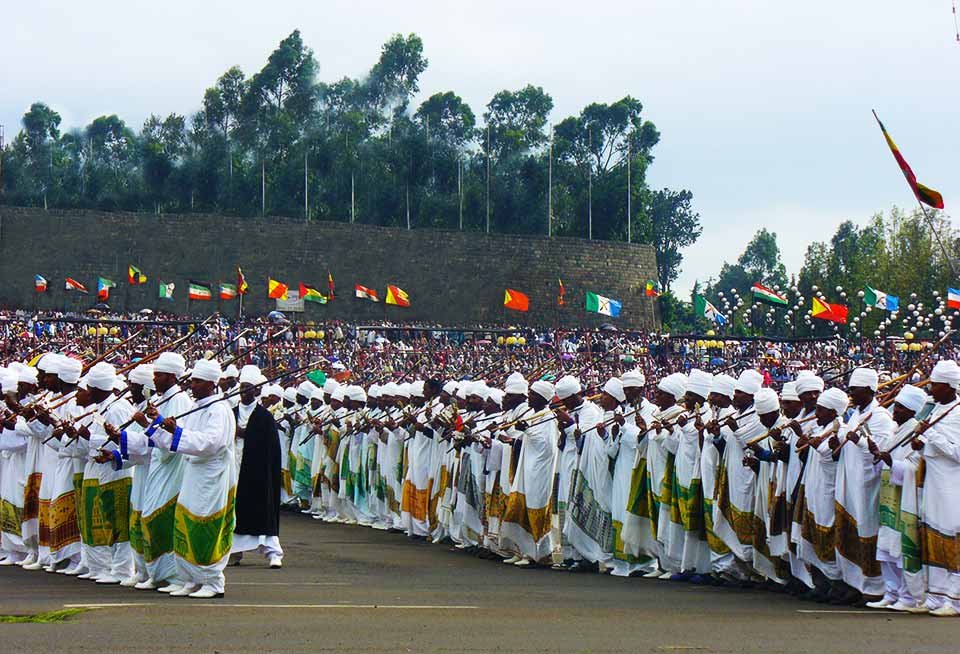
10:00 AM – Return processions begin amid jubilant dancing
Afternoon – Tabots reinstalled in churches; feasting commences
The dawn ceremony is transformative: priests dip golden crosses into blessed water, extinguish consecrated candles, then spray holy water over thousands. You will get wet—embrace it as blessing, not inconvenience.
January 20: feast of Archangel Michael
Uniquely, the Tabot of Yeka Mikael remains overnight at Jan Meda and processes home past Shola Market around midday, offering a final intimate procession opportunity.
Navigating road closures and transportation
Roads throughout central Addis close from approximately 12:00-1:00 PM on January 18 through the following afternoon. Areas around Russia Street, Arat Kilo, Piazza, and routes converging on Jan Meda become pedestrian-only during processions.
Transportation strategy:
- Walk whenever possible—this is the only reliable method during ceremonies
- Avoid driving entirely; no dedicated parking exists at Jan Meda
- Use ride-hailing apps before closures begin; expect significant delays
- Book accommodations within walking distance (Bole for airport proximity, or neighborhoods closer to Jan Meda)
- The Addis Ababa Light Rail (4 Birr/trip) connects key areas before closures
The Ethiopian Ministry of Tourism announced in January 2026 that "multifaceted preparations" include coordinated support from tour operators, hotels, and transport providers—but personal planning remains essential.
The significance of Ketema and urban celebration
Ketema, referring to Addis Ababa's downtown urban center, becomes the beating heart of Timket. Unlike Gondar's historic Fasilides Bath or Lalibela's rock-hewn churches, Addis offers a distinctly metropolitan celebration where 80+ sites across sub-cities host ceremonies simultaneously. This urban atmosphere creates unique energy: diplomatic VIPs, AU officials, international visitors, and hundreds of thousands of Ethiopians converge where ancient traditions meet modern Africa.
Jan Meda's 40+ Tabots arriving from throughout the capital creates the largest single gathering—a spectacle impossible elsewhere. Alternative viewing at the Green Valley Hotel café terrace in Kebena offers elevated perspectives over less-crowded football field ceremonies.
Wearing Netela with understanding
The Netela—a handwoven cotton shawl approximately 160 x 260 cm with intricate embroidered borders—symbolizes purity, renewal, and celebration. A traditional saying holds that "a dress not used for Timket deserves to be torn to tatters." Wearing white connects visitors to the celebration's spiritual meaning while demonstrating cultural respect. Locals genuinely appreciate when tourists honor this tradition.
Where to purchase: Visit Shiro Meda Market (Chiromeda) near the US Embassy at Entoto Hill's base. Over 100 shops specialize in traditional textiles—bargaining is expected, starting at roughly half the asking price. Markets open daily around 8 AM; having a local friend negotiate typically yields better prices. Budget $30-50 for quality Netela.
How to wear it: Women wrap the Netela around shoulders with the embroidered end over the right shoulder, keeping heads covered during ceremonies. Men wear Shamma (white cotton robes) or simply drape Netela over shoulders with modest clothing underneath.
Dress code and behavioral etiquette
Essential guidelines:
- Wear white or light colors; dress modestly covering shoulders and knees
- Remove shoes before entering any church; women should cover heads with scarves
- Bow when the Tabot passes; some kneel and kiss the ground
- Allow processions unobstructed passage
- Accept holy water spray as blessing—declining appears disrespectful
- Only ordained priests may touch or approach Tabots directly
Foreign visitors can absolutely participate in public ceremonies and receive holy water blessings without being Orthodox. The inclusive atmosphere reflects Ethiopian hospitality—you're witnessing sacred traditions while being genuinely welcomed.
Photography tips for capturing the dawn water ceremony
The pre-dawn water blessing offers Timket's most powerful imagery: thousands of candle-lit faithful in white awaiting priests' blessing as golden light breaks over Jan Meda.
Essential equipment:
- Wide-angle lens (16-35mm) for sweeping crowd panoramas
- Fast prime lens (50mm f/1.8) for low-light dawn conditions
- Telephoto (100-400mm) for distant ceremonies without intrusion
- Waterproof bag—absolutely critical
Camera settings for dawn: Use wide apertures (f/1.8-3.2), ISO 800-1600, minimum 1/125 second shutter speed. Switch to continuous autofocus for procession tracking.
Best positions:
- Arrive at Jan Meda before 6:00 AM; VIP areas may require advance tickets
- Green Valley Hotel terrace provides elevated, uncrowded views
- Walk with January 18 processions from St. Mary's Church—the slow pace allows repositioning for multiple angles
- Capture water sprays with backlighting for dramatic effect
Respectful practices: Always request permission for close portraits. Never photograph unwrapped Tabots. Avoid flash during ceremonies. Hire local guides—they secure better positions while navigating cultural protocols.
Security and crowd safety
Pickpocketing is a serious concern during Timket's dense crowds. Tens of thousands converge at Jan Meda, creating ideal conditions for thieves targeting distracted tourists with cameras and phones.
Essential security measures:
- Use a cross-body anti-theft bag with slash-proof straps and locking zippers
- Keep cameras on secure straps worn across your body, never dangling
- Store cash, passport copies, and cards in inside pockets or money belts—never back pockets or open bags
- Leave ALL expensive jewelry at home—this includes watches, rings, necklaces, earrings
- Carry only what you absolutely need; leave extra electronics at the hotel
- Use camera rain covers that also obscure your equipment from view
- Travel in groups when possible; solo travelers should stay in well-lit, populated areas
- Be especially vigilant during water blessing when everyone pushes forward
- Keep phone in front pocket or secure bag, not in hand while watching processions
If bringing valuable camera equipment: Consider hiring a local guide who can help watch your gear while you shoot. Never set bags down, even briefly. Use camera straps that loop around your wrist as secondary security.
Practical essentials checklist
Bring: White Netela/traditional clothing, sunscreen, hat, refillable water bottle, Ethiopian Birr cash (ATMs are unreliable), camera with waterproof protection, comfortable walking shoes, light jacket for chilly mornings.
Leave behind: Expensive jewelry, large cash amounts, valuable electronics beyond essentials.
Accommodation: Book months ahead—Timket is peak season. Options include Sheraton Addis ($230+/night), Hilton Addis Ababa, or mid-range properties like AG Palace Hotel. Hotels near Jan Meda average $77-243 depending on dates and class.
Medical: Menelik II Referral Hospital sits adjacent to Jan Meda, serving 15,000+ patients daily. Carry basic first aid and ensure travel insurance covers Ethiopia.
Conclusion: witnessing living heritage
Timket in Addis 2026 offers something impossible to replicate: participation in traditions stretching back fifteen centuries, where sacred objects hidden year-round emerge amid communities transformed by collective devotion. The Jan Meda Epiphany schedule runs January 18-20, but the memories—of dawn light on white-robed thousands, of holy water spray as blessing, of drums and chanting filling Ketema's streets—last far longer. Arrive early, dress appropriately, bring protection for your camera, and prepare to witness one of the world's most magnificent Ethiopian Orthodox festivals firsthand.