“Enemies have now come upon us to ruin our country and to change our religion. Our enemies have begun the affair by advancing and digging into the country like moles. With the help of God, I will not deliver my country to them. Today, you who are strong, give me your strength, and you who are weak, help me by prayer”.
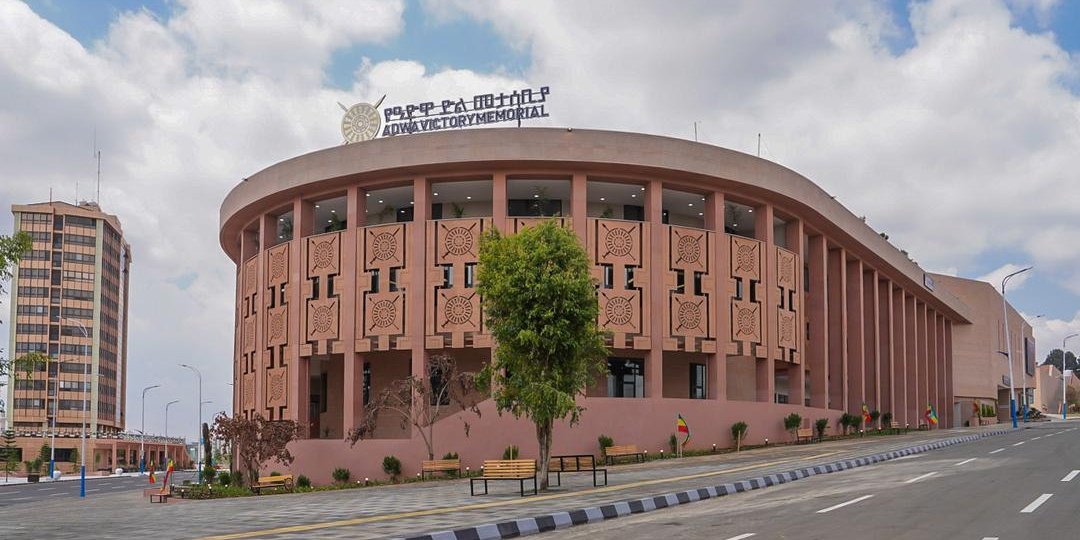
If you walk into the center of the Adwa Victory Memorial Museum, you will find yourself standing before the Negarit. This massive traditional war drum is silent now, but its presence is heavy. In 1896, the beat of drums like this echoed across the Ethiopian highlands, calling together a nation that refused to be a colony.
Today, this museum in the heart of Piassa is more than a collection of artifacts. It is a portal. It connects the high-tech urban transformation of modern Addis Ababa to a morning in March when the world’s map was changed forever.
The Lie That Sparked a Revolution
The story of Adwa begins not with a bullet, but with a pen. In 1889, Ethiopia and Italy signed the Treaty of Wuchale. On the surface, it was a friendship pact. In reality, it was a trap.
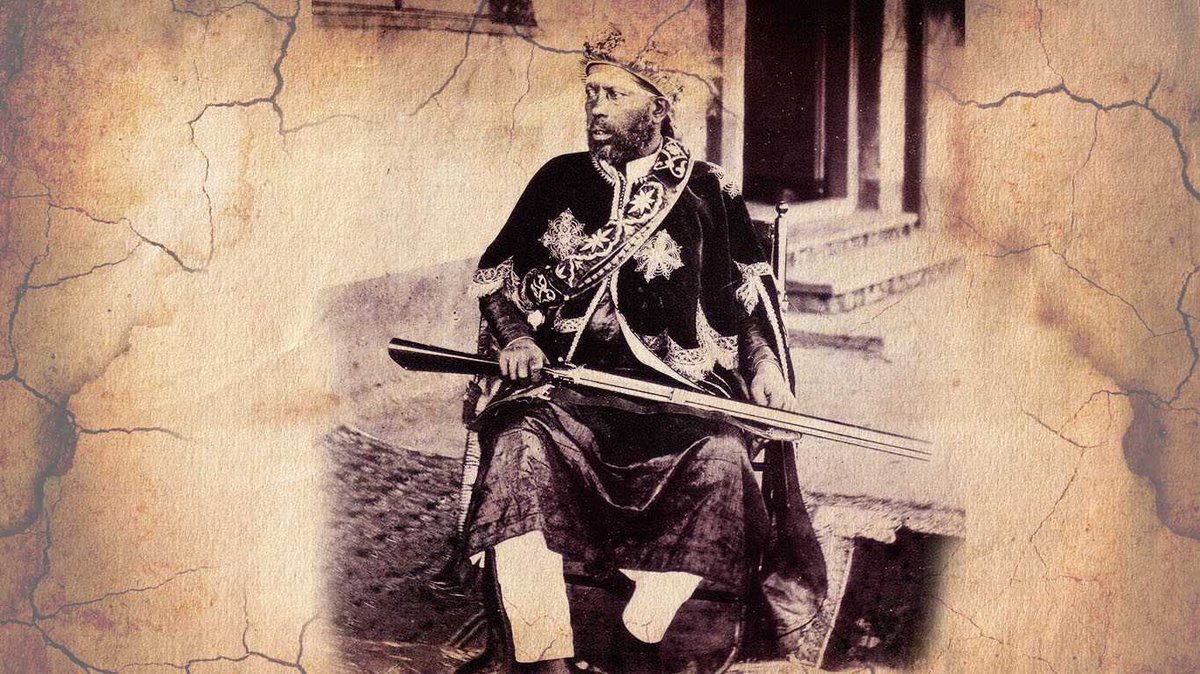
Article 17 of the Italian version claimed Ethiopia was now a protectorate of Italy. The Amharic version said no such thing. When Emperor Menelik II discovered this deception, he didn't just send a letter—he tore up the treaty and mobilized a nation.
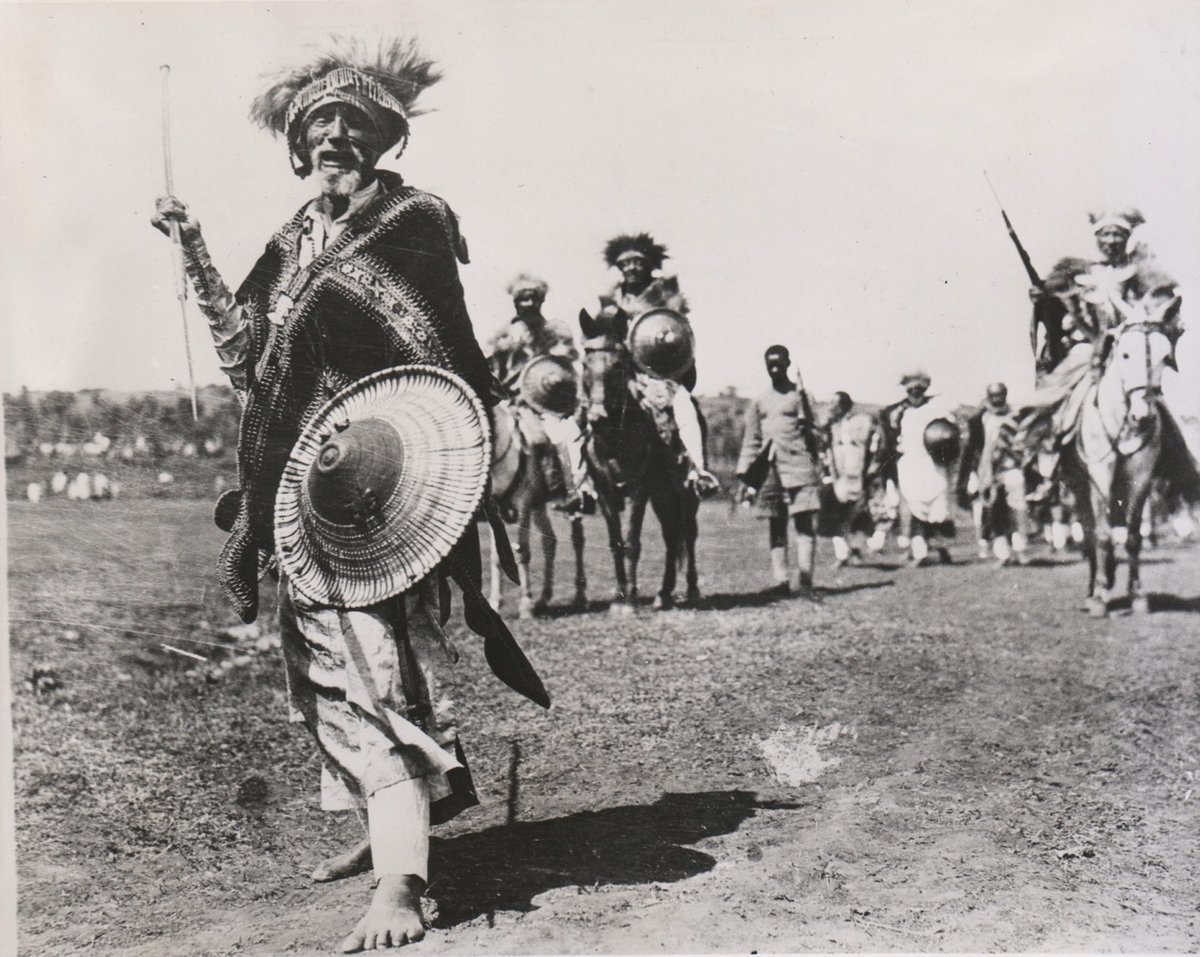
It was a masterclass in unity. Menelik’s call to arms brought together 100,000 soldiers from every corner of the empire—Oromos, Amharas, Tigrayans, and many more. They marched north for months, carrying modern rifles secured through savvy diplomacy with Russia and France.
The Empress and the Strategy of Thirst
While history often focuses on the Emperor, the museum rightly centers Empress Taytu Betul. She was not just a companion; she was a master strategist.
During the siege of the Italian fort at Mekelle, it was Taytu who spotted the Italians’ vulnerability. She led her own battalion to cut off their water supply, forcing a surrender that paved the way for the final confrontation at Adwa. On the day of the battle, she was on the field, coordinating logistics and inspiring the troops.
At Adwa, the Italians were outnumbered and outmaneuvered. By noon on March 1, 1896, the colonial dream in Ethiopia was dead. The victory forced Italy to sign the Treaty of Addis Ababa, making Ethiopia the only African nation to successfully repel a European power during the "Scramble for Africa."
Walking Through History: The Museum Experience
The museum building itself is a narrative arc. Its twelve gates represent the unity of the Ethiopian people who marched to the front.
- The Artifacts: Inside, you’ll see the actual weapons used—long-barreled rifles and traditional shields—alongside the uniforms of the defeated Italian generals.
- The Zero KM Mark: Outside the South Gate, look for the symbolic "Zero Kilometer" plaque. This is where the Ethiopian forces gathered before beginning their long march north.
- The Architecture: The "Denguza" pattern wrapping the exterior pays homage to the weaving traditions of Southern Ethiopia, a reminder that Adwa was a collective triumph.
Practical Information for Your Visit
The museum is a centerpiece of the newly developed Piassa Corridor. Here is what you need to know to plan your visit:
- Opening Hours: The museum is open daily from 8:30 AM to 6:00 PM, except for Tuesdays, when it is closed for maintenance.
- Ticket Prices:
- Ethiopian Residents: Prices start at 300 ETB for a standard ticket and 500 ETB for Premium/VIP access.
- Foreign Visitors: Admission is $20 USD.
- How to Get Tickets:
- Digital: You can purchase tickets in advance through the official portal at ticket.adwavictorymemorial.gov.et or via the Adwa mobile app.
- On-site: There is a ticket counter at the museum, though it can be busy. Bringing a digital ticket is highly recommended.
- Photography: Photos are allowed in the outdoor plazas and the "Urban Window," but photography is strictly prohibited inside the historical exhibit halls to protect the artifacts.
Stand Where History Was Made
The Adwa Victory Memorial Museum isn't just a place to look at the past; it’s a place to feel the weight of sovereignty. As you walk the newly widened boulevards of Piassa, take an hour to step inside.
Discover the soul of the city
Visit Addistoday.com for more guides on navigating the changing face of Addis Ababa and to share your own stories of the new Piassa. The march continues—and we want you to be part of it.