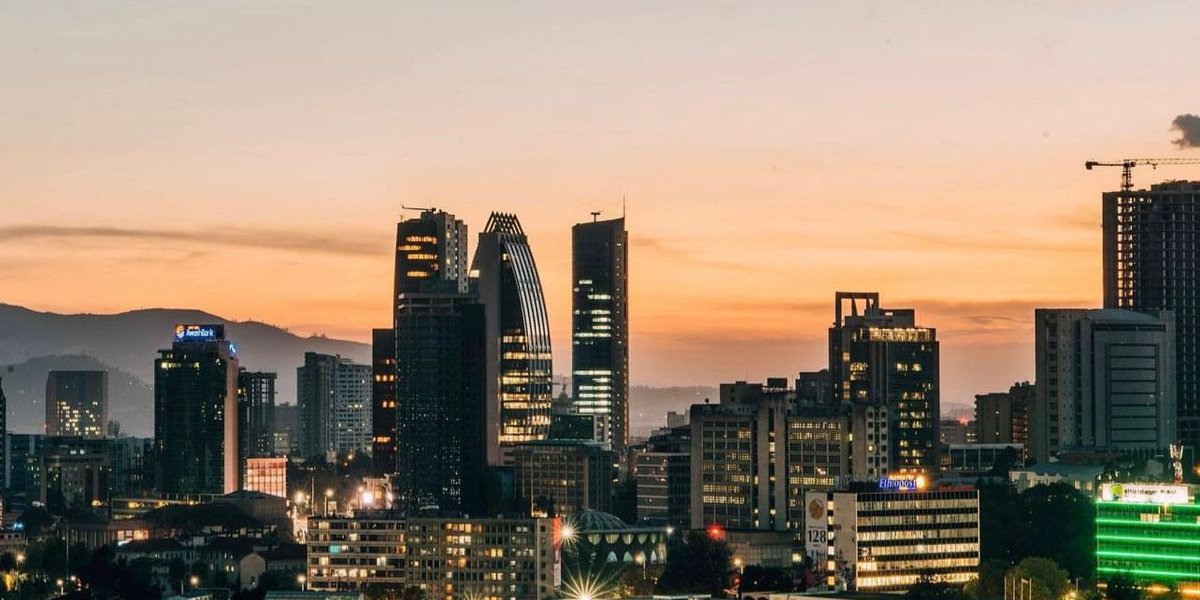
Addis Ababa does not introduce itself with a handshake; it embraces you with a rush of altitude and the scent of roasting coffee. Standing at 2,355 meters above sea level, the "New Flower" is the fourth-highest capital in the world, a city where the air is thin and the ambitions are heavy. For the newcomer arriving in 2026, the city presents a paradox. It is a metropolis of three million souls hurtling toward a digital future, yet it remains tethered to ancient rhythms of hospitality and trade.
I grew up here, at the heart of Bole. I know the afternoon rains, the jacaranda blooms that purple the streets in October, the chaos of Bole Road at rush hour. When friends ask how to find a place to live, I tell them what's actually happening on the ground.
The rental market in 2026 looks nothing like it did three years ago. If you're moving to Addis Ababa, here's what you need to know.
The 2026 Reality: After the Float
In July 2024, the Ethiopian government floated the Birr. The currency depreciated by roughly 120% within months. This wasn't a policy adjustment—it rewrote the economics of shelter.
The Upfront Payment Problem
Landlords watched their rental income lose purchasing power month after month. Their response was rational: demand more money upfront.
In stable markets, rent is monthly. In post-float Addis, landlords now require six months to one year in advance. A practice once reserved for diplomatic housing has become standard across the market. Finding an apartment isn't just about monthly affordability—it's about having significant capital before you unpack a single box.
The Dollar in the Room
Legally, all transactions happen in Birr. Psychologically, the high-end market thinks in dollars.
A landlord in Bole who believes their apartment is worth $1,000 checks the parallel market rate—running 20% or more above official bank rates—and calculates accordingly. For tenants earning in local currency, this creates a moving target. Lease renewals aren't standard 10% increases. They're recalibrations based on the currency's performance.
What this means for you: Ask about currency before you sign anything. Fight for a fixed Birr amount for the full lease term. Avoid contracts that peg rent to the dollar—if the Birr slides further, your rent could double overnight.
The Broker Problem: What the Delala System Costs You
For generations, the delala—the broker—controlled housing information in Addis. No centralized listings existed. A landlord with a vacant villa in Sarbet had no way to reach a tenant in Bole. The delala bridged that gap.
The bridge is expensive.
Standard commission runs one month's rent from the tenant, often matched by the landlord. On a 50,000 Birr lease, that's 50,000 Birr gone before you move in—enough to furnish your living room modestly.
But the cost isn't only financial. The search itself is exhausting. You meet at a cafe. You're walked to a property that looks nothing like the description. The "perfect" apartment was "just rented"—but here are five worse options. Repeat for days.
Then there's the ferenji price. Brokers often inflate the landlord's asking price for foreign tenants, pocketing the difference. Trust breaks before the lease is even read.
The delala isn't malicious. They're rational actors in an inefficient system, hoarding information because they lack tools to market openly. But in mobile-first Ethiopia, this friction no longer makes sense.
Finding Listings: Your Options in 2026
The broker isn't your only path anymore. Addis renters now have alternatives—each with trade-offs worth understanding.
Social Media: Free but Fragmented
Facebook groups and TikTok have become informal listing boards. Landlords post videos of empty apartments. Diaspora members share leads for friends. The price is right: free.
The problem is reliability. Listings scatter across dozens of groups with no standardization. That three-bedroom posted last week? Already rented—but nobody updated the post. Prices aren't verified. You can't filter by neighborhood or budget. You're scrolling through noise, hoping to catch something before it disappears.
For patient searchers with local contacts who can vet leads, social media works. For newcomers landing in Addis next month, it's a gamble.
Kraybet: Structure Without the Broker Tax
Kraybet offers a middle path—the convenience of digital search without the commission.
Landlords list directly with photos and specific details. A map-based interface shows exactly where properties sit (useful in a city where addresses mean "past the yellow kiosk, turn left"). Transparency badges indicate whether you're contacting an owner, an agent, or a broker—so you know what you're walking into.
The app doesn't replace the human work. You'll still visit properties, negotiate terms, and build rapport. But it removes the information asymmetry that made the old system so exhausting. When you contact a landlord through Kraybet, you haven't just fought a broker over commission. You meet as peers—a better foundation for the relationship that follows.
The Neighborhoods: Where Addis Lives
Every city fragments into villages. Your neighborhood shapes daily life more than any amenity. Here's where the city's distinct souls reside.
Bole: The Electric Center
The vibe: Relentless. Cosmopolitan. Vertical.
Best for: Single professionals, frequent flyers, night owls.
Bole is the city's engine. What was farmland until the airport opened in the 1960s is now a canyon of glass towers—malls on the ground floors, apartments stacked above. The air smells of exhaust and macchiatos. Tomoca and Kaldis aren't just coffee shops; they're the "third places" where business happens.
Addis Ababa apartments for rent in Bole are almost exclusively high-rises. You'll find G+7 and G+10 towers, furnished units, reliable fiber internet, and landlords who speak English.
The trade-off: Bole commands the highest rents in the country. Jet engines roar constantly. Traffic on Bole Road moves at the pace of bureaucracy. The "heat island" effect makes it warmer than leafy suburbs. But for short-term stays in Ethiopia or newcomers prioritizing convenience, Bole delivers.
Old Airport: The Diplomatic Garden
The vibe: Secure. Green. Hushed.
Best for: Families, diplomats, silence seekers.
Named after a military airfield decommissioned in 1960—the runway was too short for jets—Old Airport became a residential sanctuary.
High-rises disappear here. Stone walls draped in bougainvillea hide the city's grandest villas. Streets widen. Private security patrols. Goats graze on the verge next to SUVs with diplomatic plates—a uniquely Addis tableau.
Life revolves around the International Community School and private clubs. Specialty grocers stock imported goods the expat community demands. Housing means detached villas with gardens and staff quarters, though new developments like Elevation Diplomatic Residences introduce luxury vertical living.
The trade-off: Expensive and car-dependent. But for raising children or retreating from chaos, Old Airport is unrivaled.
CMC and Ayat: The Suburban Future
The vibe: Planned. Airy. Emerging.
Best for: Returnee diaspora, young families, value hunters.
Go east. Urban planners built the "New Addis" on these plains—master-planned communities and the condominium revolution.
The air is cleaner. Roads follow grids. Massive developments like Feres Bet offer mixed-use buildings with supermarkets, gyms, and schools within walking distance. Children play in compound streets, a sight rare in Bole.
The Light Rail connects Ayat to Meskel Square, bypassing traffic. For the price of a cramped one-bedroom in Bole, you rent a spacious three-bedroom here with Entoto mountain views.
This is where the middle class migrated when the center became too expensive—and where diaspora returnees build their new lives.
Survival Guide: The Practical Details
You've chosen your neighborhood. You've downloaded Kraybet. Now navigate the deal.
Negotiate Everything
Listed prices are starting points. Ethiopian culture expects discussion. Don't insult with lowball offers, but never accept the first number. Longer leases and larger upfront payments give you leverage.
Inspect the Water
Municipal water might flow twice a week. Your rental must have a reserve tank—at least 2,000 liters—and a pump to move it to your tap. If a listing claims "24/7 water," verify the tank size. That's the only guarantee.
Get the Generator Story
Power cuts happen. Buildings with generators provide comfort. Buildings without them build character in the dark. The contract must specify who pays for fuel and maintenance—running a diesel generator is expensive. Don't get stuck with the bill for the whole building.
Understand What's Included
"Furnished" means different things to different landlords. Does it include beds? Cooking equipment? A working refrigerator? Get specific.
Read the Contract Carefully
Leases should be bilingual—English and Amharic. Standard notice for termination is 2-3 months; ensure it's mutual. Define "major" repairs (water pump, generator, roof—landlord's responsibility) versus "minor" (lightbulbs, loose handles—yours). Watch for currency adjustment clauses that let landlords renegotiate mid-lease.
Meet the Neighbors
In Ethiopian culture, community matters. A brief introduction to the people sharing your building tells you more than any listing.
The Human Element
Beyond contracts and apps, finding home in Addis is about the zebegnya (guard) who opens the gate with a smile. The woman roasting coffee on the sidewalk who becomes your morning ritual. The smell of Doro Wat filling the hallway on holidays.
Landlords here often view tenants as temporary household members. This can feel intrusive if you're used to Western anonymity. But a good relationship means your water pump gets fixed on Sunday. It means you have an ally.
Kraybet facilitates this by removing the adversarial start. When you meet a landlord through the app—without a broker war—you begin as peers.
Start Your Addis Journey
The city is volatile but navigable. The currency float made Addis expensive for locals but more accessible for those with foreign income. The digital revolution broke the broker's monopoly.
But amidst the cranes and the code, the soul remains. It's in the cool air of Entoto, the jazz of Bole, the quiet gardens of Old Airport. Finding a place to live in the New Flower is a challenge. But when the rains stop and the jacarandas bloom, there's no more beautiful place to be.
Download Kraybet and start your story. Addis is waiting.